Common Causes Of Mold Growth In Homes
People searching for mold removal are typically looking to eliminate mold caused by issues like excess moisture or leaks, with local contractors ready to handle the cleanup safely and effectively.
Homeowners exploring the common causes of mold growth in homes are taking an important step toward maintaining a healthy living environment. Mold thrives in areas with excess moisture, poor ventilation, and hidden leaks, which are frequent issues in many properties. Understanding these factors can help property owners identify potential problem spots before mold becomes a visible concern. Local contractors experienced in mold removal can assist in diagnosing and addressing these underlying causes, ensuring that moisture issues are managed effectively to prevent future growth.
Being aware of the typical reasons behind mold development is especially practical for property owners in the area who want to protect their investment and indoor air quality. Whether it’s addressing persistent humidity, fixing hidden plumbing leaks, or improving ventilation, taking proactive steps can make a significant difference. Consulting with local service providers who specialize in mold removal can provide tailored solutions to eliminate existing mold and reduce the risk of recurrence, helping residents enjoy a safer, healthier home environment.
- Moisture issues - When persistent leaks or high humidity create damp environments, local contractors can assess and address moisture sources to prevent mold growth.
- Poor ventilation - In areas with inadequate airflow, service providers can install ventilation solutions to reduce humidity levels that encourage mold development.
- Flooding or water damage - After flooding, local pros can perform thorough water extraction and drying to eliminate conditions conducive to mold formation.
- Condensation problems - When condensation accumulates on windows or walls, service providers can improve insulation and ventilation to minimize mold risk.
- Leaking pipes or plumbing issues - In cases of hidden leaks, local contractors can locate and repair plumbing faults to prevent mold from thriving in hidden areas.
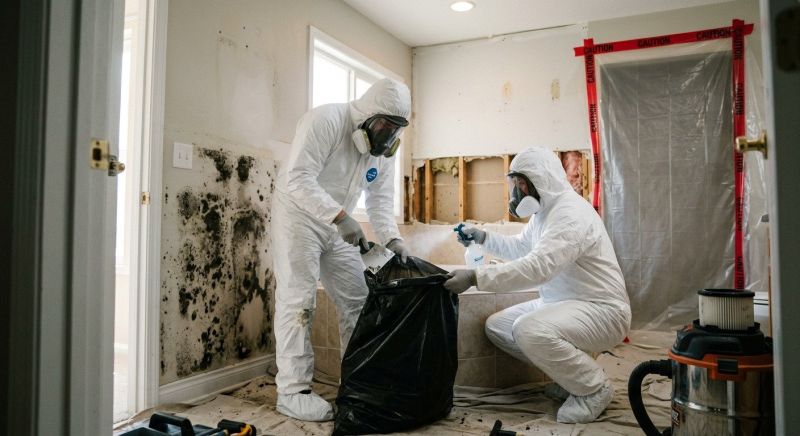
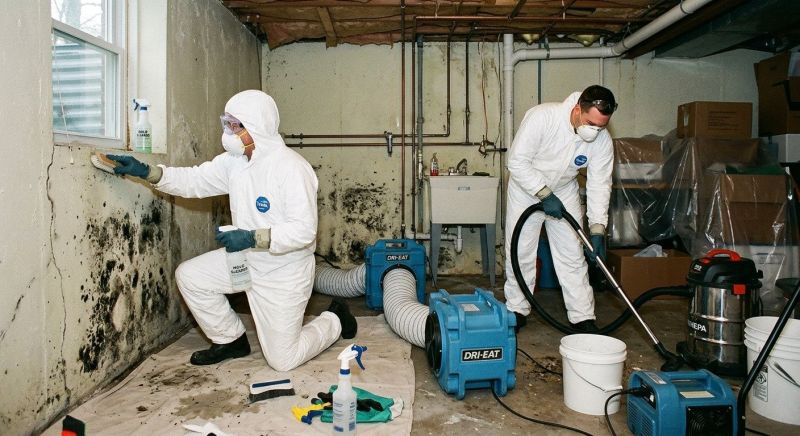
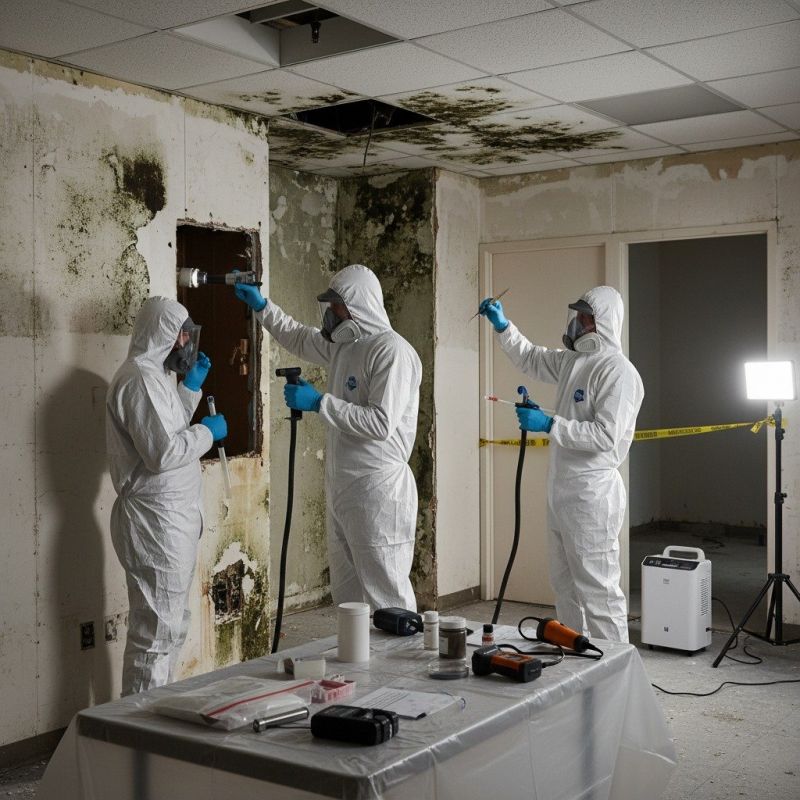
Understanding common causes of mold growth in homes is essential for homeowners looking to prevent or address mold issues effectively. When people search for this topic, they often want to identify the underlying factors that contribute to mold development, so they can take proactive steps or determine if professional intervention is needed. These causes typically involve conditions that promote mold spores to settle and thrive, such as excess moisture, poor ventilation, or water intrusion. Recognizing these factors helps homeowners connect the dots between everyday household habits or structural issues and the potential for mold problems, making it easier to plan repairs or maintenance projects with the help of experienced local contractors.
Mold growth is frequently linked to problems like leaks, high humidity, or inadequate airflow within a home. For example, plumbing leaks behind walls or under sinks create persistent dampness that fosters mold development. Similarly, areas with high humidity levels-such as basements, bathrooms, or laundry rooms-provide an environment where mold spores can easily grow if not properly managed. Homeowners often encounter mold in places where moisture tends to accumulate or where ventilation is insufficient, making these common causes relevant to many types of properties. Understanding these issues allows homeowners to prioritize repairs or improvements, often with the assistance of local service providers who specialize in mold prevention and remediation.
Certain property types are more susceptible to mold growth due to their design, location, or age. Basements and crawl spaces are particularly vulnerable because they tend to have higher humidity and less airflow, which can lead to mold problems if not properly ventilated or waterproofed. Older homes with outdated plumbing or inadequate insulation may also experience moisture infiltration, creating ideal conditions for mold. Additionally, properties situated in humid climates or prone to water intrusion from storms or poor drainage are at increased risk. Recognizing these property characteristics helps homeowners understand where to focus preventative efforts or repairs, often with the support of local contractors experienced in mold control.
Addressing common causes of mold growth in homes often involves a combination of repairs, improvements, and ongoing maintenance. Local pros can assist with identifying sources of excess moisture, such as leaks or ventilation issues, and recommend practical solutions like sealing cracks, installing dehumidifiers, or improving airflow. By understanding the root causes, homeowners can work with service providers to develop effective plans for mold prevention and removal. This proactive approach not only helps protect the property but also contributes to a healthier indoor environment. Connecting with local contractors who specialize in mold-related services ensures that the underlying issues are addressed thoroughly, reducing the likelihood of future mold problems.
Home inspection services - professionals who evaluate moisture issues and structural concerns related to mold growth in homes, helping identify underlying causes.
Water damage restoration - experts who address excess moisture and leaks that contribute to mold development, ensuring proper drying and remediation.
HVAC system services - technicians who maintain and clean ventilation systems, reducing humidity levels that can promote mold growth indoors.
Plumbing repair services - contractors who fix leaks and plumbing issues that create persistent moisture problems leading to mold issues.
Basement waterproofing - specialists who prevent water intrusion and dampness in below-grade areas, a common cause of mold in homes.
Roofing and gutter services - providers who ensure proper drainage and prevent water ingress, reducing the risk of mold caused by water accumulation.
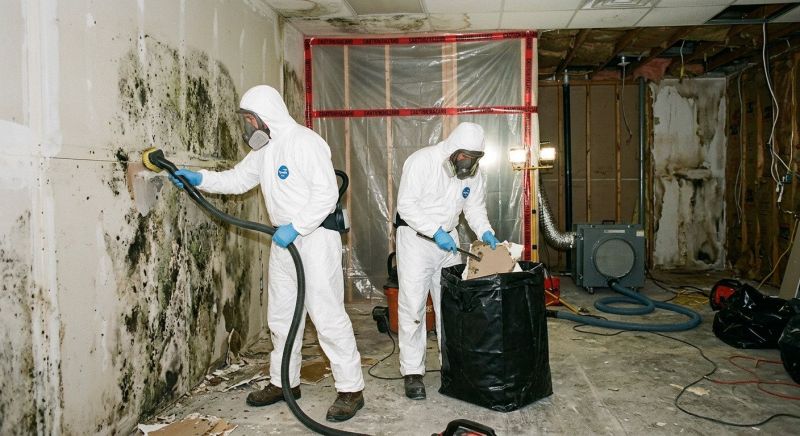
When comparing service providers for mold removal, it’s important to consider their experience with similar projects. Homeowners should look for local contractors who have a proven track record handling mold issues in residential settings, especially those related to common causes of mold growth in homes such as excess moisture, leaks, or poor ventilation. An experienced pro will be familiar with the typical challenges these issues present and be better equipped to identify underlying problems that contribute to mold development, ensuring that the removal process addresses both the visible mold and its root causes effectively.
Clear written expectations are essential when choosing a mold removal service. Homeowners should seek providers who can offer detailed descriptions of the scope of work, including assessment procedures, containment measures, and post-removal recommendations. Having a well-defined plan helps prevent misunderstandings and ensures that everyone is aligned on what the project entails. Reputable service providers will be transparent about their process and what homeowners can expect during and after the work, fostering trust and making it easier to evaluate their professionalism.
Good communication and reputable references are key indicators of a reliable local contractor. Homeowners can benefit from talking to previous clients or reading reviews to gauge the quality of service and responsiveness. A service provider who maintains open lines of communication-answering questions clearly and providing timely updates-can help homeowners feel more confident throughout the project. Prioritizing providers with positive references and a reputation for professionalism can lead to a smoother experience when addressing mold issues caused by common home conditions.
Property owners often search for common causes of mold growth in homes when they are planning practical projects around their homes and businesses. Local pros provide Mold Removal services for everyday jobs and straightforward project options.
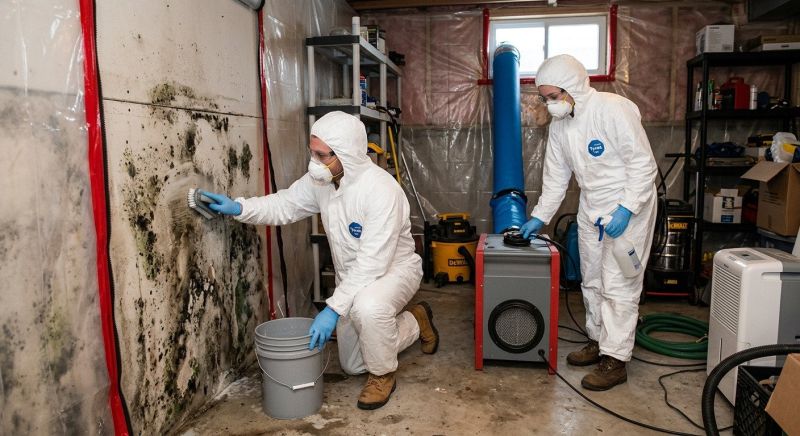
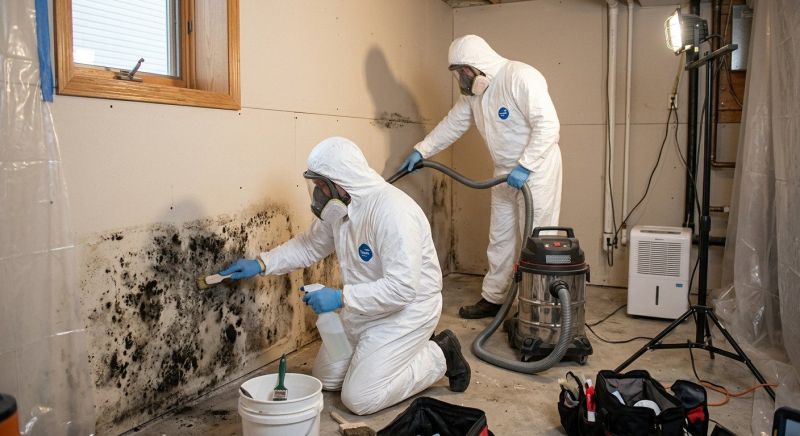
Many homes experience mold growth due to everyday situations that introduce excess moisture into the environment. Common causes of mold growth in homes include leaks from plumbing fixtures, roofs, or windows that allow water to seep into walls and ceilings. Additionally, high humidity levels, especially in poorly ventilated areas like bathrooms, basements, or laundry rooms, can create the ideal conditions for mold to thrive. Property owners often seek the assistance of local contractors to identify and address these moisture issues before mold begins to spread.
Another frequent factor contributing to mold development is inadequate drainage around the property, which can lead to water pooling and seeping into foundations or crawl spaces. Condensation on cold surfaces, such as pipes or windows, can also promote mold growth if not properly managed. When mold problems arise from these common causes, local service providers specializing in mold removal can evaluate the situation and implement solutions to eliminate existing mold and prevent future growth.
What are common causes of mold growth in homes? Common causes include excess moisture from leaks, high humidity levels, poor ventilation, and water intrusion from flooding or plumbing issues. These conditions create ideal environments for mold to thrive, making professional mold removal services essential.
How does water damage contribute to mold growth? Water damage from leaks, spills, or flooding can lead to persistent moisture problems that promote mold development. Local contractors can identify and address water sources to prevent mold from spreading.
Why is poor ventilation a problem for mold prevention? Inadequate airflow traps moisture indoors, increasing humidity and fostering mold growth. Mold removal specialists can assess ventilation systems and recommend improvements to reduce moisture buildup.
Can high indoor humidity cause mold issues? Yes, high humidity levels create a damp environment conducive to mold growth. Using dehumidifiers and improving airflow can help, and local service providers can assist with moisture control solutions.
What role do leaks and plumbing issues play in mold development? Leaks and plumbing problems introduce persistent moisture into walls, ceilings, and floors, encouraging mold growth. Professional mold remediation can effectively address these issues and prevent future problems.
Addressing excess humidity - property owners can work with local contractors to identify and fix sources of indoor moisture, such as leaks or poor ventilation, to prevent mold growth.
Improving ventilation systems - installing exhaust fans or air circulation devices can help reduce dampness in kitchens, bathrooms, and basements with the help of local service providers.
Managing water intrusion - professionals can assist in sealing cracks, gutters, and foundation issues that allow water to seep into the home, creating ideal conditions for mold.
Controlling condensation - property owners can explore options with local pros to balance indoor temperature and humidity levels, reducing moisture buildup on walls and ceilings.
If you are thinking about common causes of mold growth in homes for a property, this guide is meant to help you understand this topic, the typical project types, and how different options might fit your plans.
When you are ready, you can use the quote form on this page to share a few details about your project. From there, local pros can review the basics and follow up with options that match what you have in mind.